- Home
- Roofing Capabilities
- Due Diligence Roof Surveys
Commercial Due Diligence Roof Surveys in Santa Clara
Rain-season preparation can become an acquisition question. A Santa Clara buyer needs to know what the proposed roof allowance represents. The Bay Area's 2022 and 2023 storm history supplies context. The building's own findings establish whether the number buys repair, investigation or a wider assembly task.
Commercial Roofing Santa Clara gives the review team a clear survey basis. We connect accessible conditions with suitable correction boundaries. Unknown layers and restricted areas remain stated limits. A transaction allowance is kept distinct from accepted construction.
For a Scott Boulevard purchase, match the survey with the actual premises. Historical office development does not establish the roof installed today. Current records and the field examination answer that question.
Due Diligence Roof Surveys: What the Work Covers
Identify roof sections available for examination. Obtain drawings, installed products and previous work information. Check whether the records describe the construction present. A separate addition can have another assembly.
Commercial roof due diligence examination retains dated findings against recognizable locations. Photographs need enough surrounding reference to identify each detail. An overview is useful orientation without proving hidden construction.
State restrictions where equipment, unsafe approach or unavailable access prevents examination. The report should not describe excluded areas as assessed. Keep the next information task explicit.
Qualified review belongs with supporting or service concerns where relevant. Staff should not cross uncertain construction to satisfy a documentation request. The authorized safe examination defines the survey's scope.
A buyer can use a limited survey. Its usefulness depends on understanding the limit and the question another examination would answer.
Collect known water reports with their dates and positions. Ask about intervening equipment service and alterations. Preserve the reported account alongside the dated roof observations rather than merging their timing.
Roof leak mechanism review compares interior information with exterior findings. A stain near equipment does not prove the roof penetration caused it. An unresolved mechanical or enclosure route gets its appropriate investigation.
A seasonal event does not date every defect. Regional storm records can inform the questions asked. They cannot establish a subject property's damage extent or responsibility.
Condition grades need an explained basis and survey coverage. The buyer should see the findings behind the grade. A precise number alone cannot measure removal quantities or assign a fixed remaining duration.
Installation dates can help retrieve records. They remain different from a current examination of the assembly and its receiving connections.
Identify concealed questions that affect the acquisition allowance. Select investigation suited to the layer or boundary involved. Explain what the next task can establish before assigning its amount.
Infrared roof survey interpretation requires appropriate conditions and confirmation. Patterns do not directly establish every hidden layer's state. State the examined coverage and the method used to confirm relevant findings.
Samples describe their positions. Wider deterioration or retention suitability needs evidence for that wider extent. An unexamined section remains separate from confirmed construction.
Keep investigation costs distinguishable from permanent repair. A buyer may authorize the former to define the latter. That decision should be visible in the review rather than buried inside an unexplained replacement allowance.
If further access is unavailable before closing, state the resulting information limit. Assign the unresolved task to the responsible contact instead of presenting an assumption as a completed survey finding.
Planning and Completing the Work
A supported correction includes preparation, removal and a suitable receiving boundary. Explain the adjoining work that makes the final connection feasible. Surface material alone may be an incomplete cost comparison.
Roof capital allowance planning separates current work from supported later options. Record quantities, operating provisions and assumptions. Each line should identify the decision it serves.
Assess the retained assembly against the treatment’s preparation and suitability requirements before a restoration enters the purchase allowance. For replacement, include receiving reconstruction and connected details. A reflective finish cannot resolve an unsuitable base beneath it.
Conditional deterioration needs measurement and approval requirements. The purchase estimate should distinguish investigation-dependent removal from the deterioration actually measured. Explain how a discovery would change the recommended task and amount.
A negotiated acquisition credit is a transaction choice. Its acceptance does not establish a contractor's commitment to perform undefined future work for that number.
Identify who controls tenant access, building services and construction approval. The seller's contact may arrange a visit without authorizing an operating interruption. Keep those roles recognizable.
Property manager acquisition coordination preserves the arrangements needed after transfer. Confirm material handling, affected rooms and permitted work periods. Limited access can add setup or protection to the construction amount.
Equipment changes need qualified mechanical, electrical or support tasks where involved. Compare the intended equipment position with measured curb height and available flashing clearance before placement is fixed. An altered height can require another receiving adjustment.
For the Tasman and Scott corridor, verify the subject address. Scott development history and Tasman Drive planning supply local orientation. Neither establishes current roof age, tenant authorization or work quantity.
Check receiver condition and the material’s application requirements before treating a transaction date as an achievable installation day. The closing date cannot make unsuitable application conditions acceptable.
Santa Clara adopted its 2025 California standards through Ordinance 2081. Confirm the project authority, accepted application basis and alteration scope. Energy requirements depend on applicable compliance paths and exceptions.
A due diligence opinion does not replace required project review. Keep the selected assembly and connected construction with the applicable requirements. The material name is only part of the answer.
Roof warranty review uses issued documents matched to the installation. Notice, repair and coverage questions depend on actual terms and issuer responses. Missing paperwork is an information limit, not a promise either way.
A lender or insurer determines the evidence required for its decision. The survey can support review without assuring financing or coverage. Keep its construction findings distinct from those external approvals.
The team should know which question each document answers. That makes the purchase review easier to assess.
Located roof condition reporting preserves the survey coverage and dated observations. Retain assumptions beside the estimates. A later revision should identify what changed.
After approved construction, add preparation evidence, installed products and final quantities. Separate roof completion from equipment or interior acceptance. List unresolved work with assigned follow-up.
A later water report needs fresh occurrence information. Compare it with completed corrections and intervening alterations. The original survey remains comparison evidence. It is not a current assessment of changed construction.
The next manager receives a useful starting point: the condition examined, task supported and information still required.
Due-diligence survey: separate visible facts from unknowns. A roof due-diligence review should state the scope, access available, areas observed, records examined and limitations that affect reliance. Record assembly and condition only to the extent supported by field evidence or documents. Distinguish a visible repair need from a suspected concealed condition, and identify the additional test or destructive opening that could resolve uncertainty. Pricing assumptions should show quantities, exclusions, allowances and the date of observation. The buyer or advisor can then decide whether further review is warranted before closing. A survey supports that decision but does not substitute for design, structural or environmental evaluation where those questions arise.
Establish the roof basis before the acquisition decision
Arrange a Santa Clara due diligence review. We will connect examined conditions, complete work options and remaining questions with the allowances your team is considering.
Frequently Asked Questions
The buyer needs the located correction, measured preparation and unresolved receiving questions explained together. Keep investigation, construction and transaction adjustments distinct.
Yes, when coverage and limits are clear. Identify the additional examination needed before a wider construction decision.
No. The lender decides its requirements. The survey supplies construction evidence within its stated scope.
Dated findings, estimate bases, issued system documents and assigned next actions. Update them after construction or changed conditions.
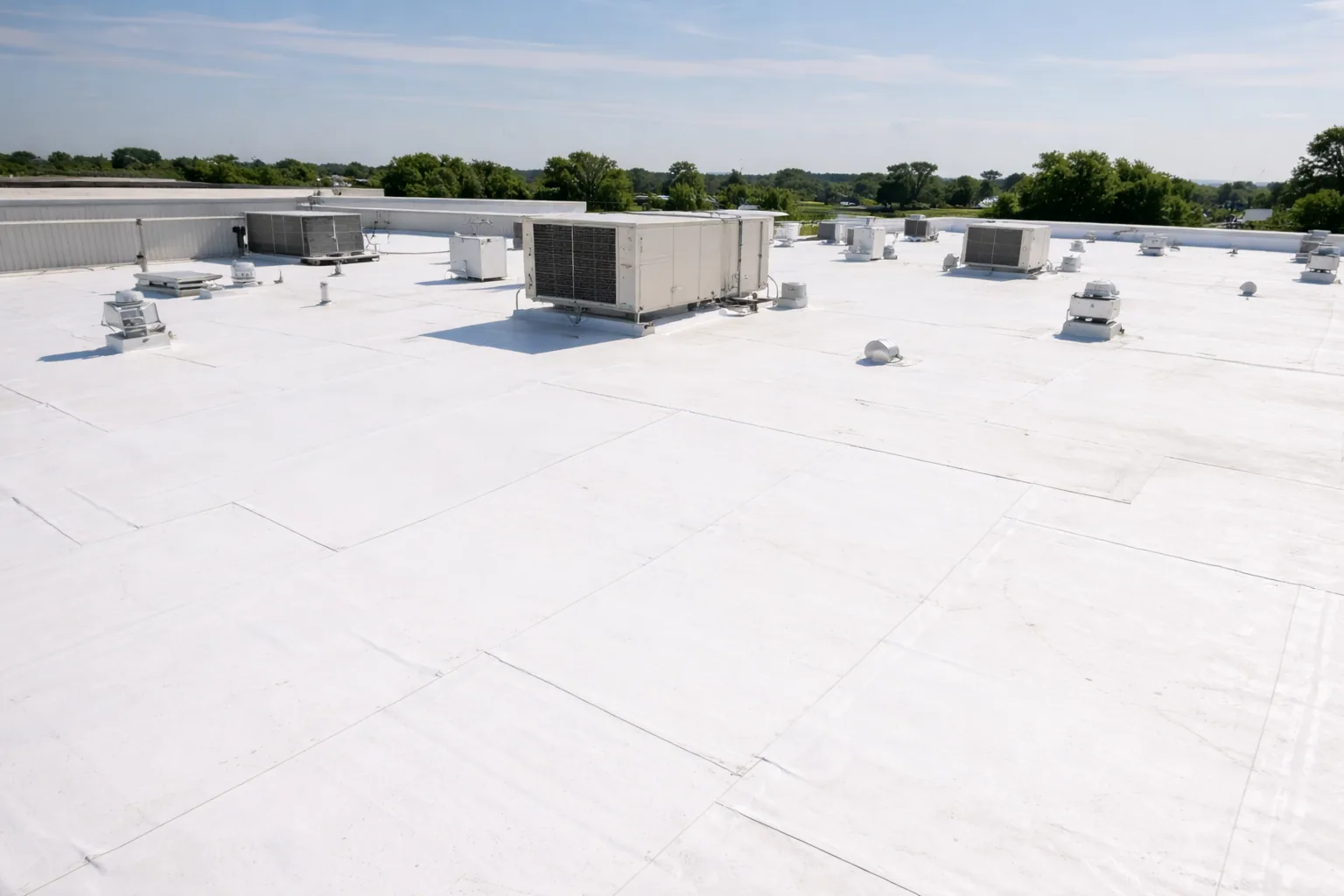
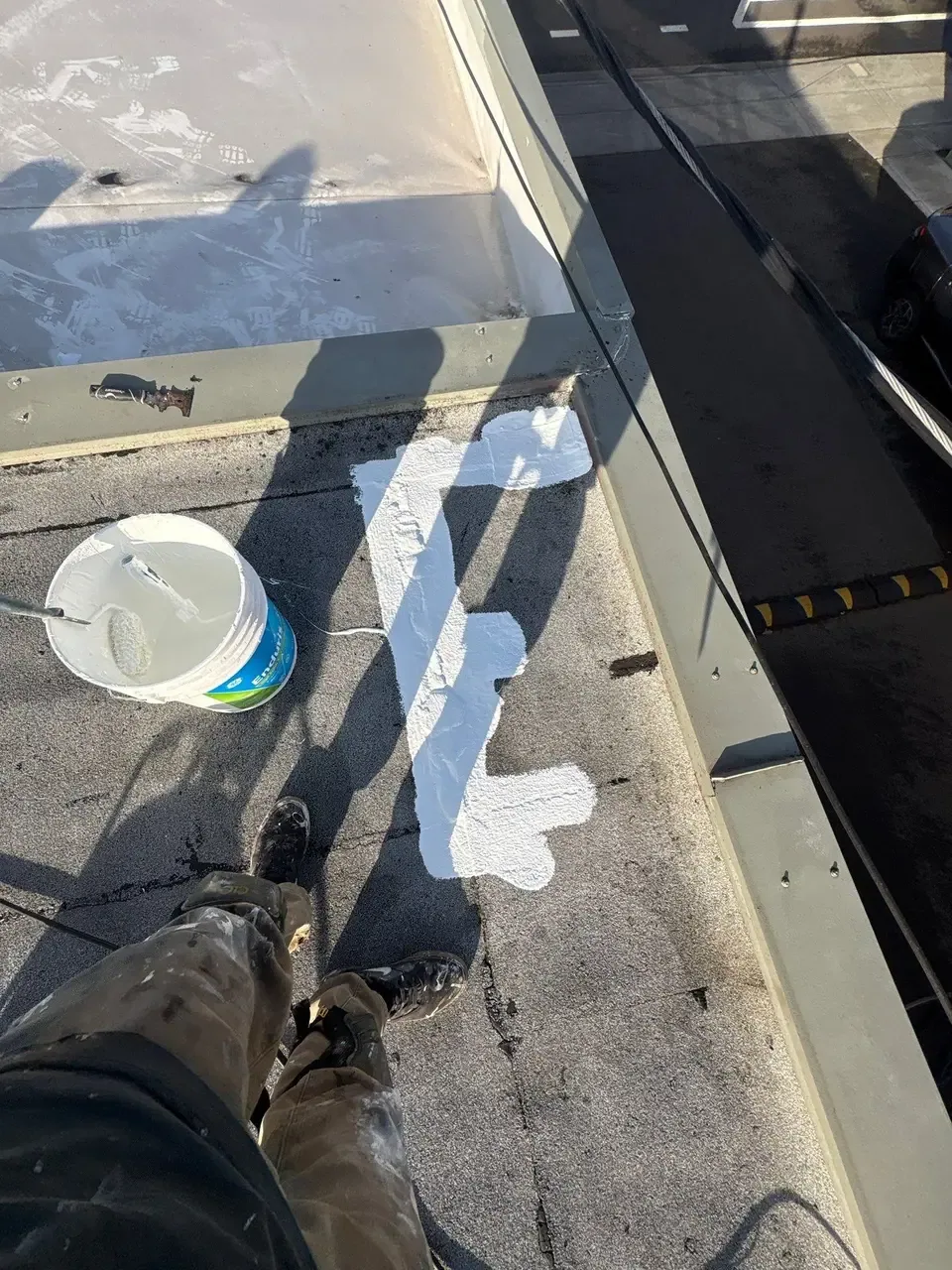


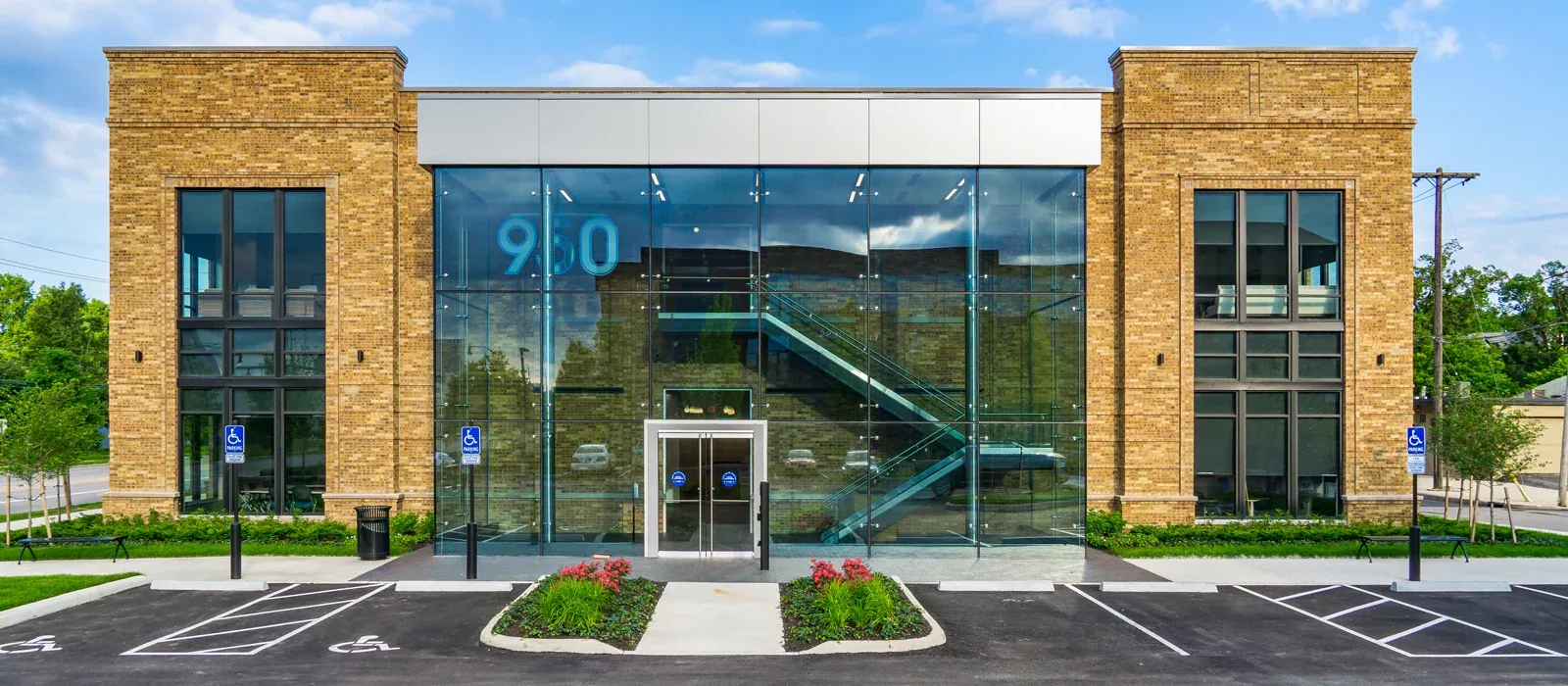
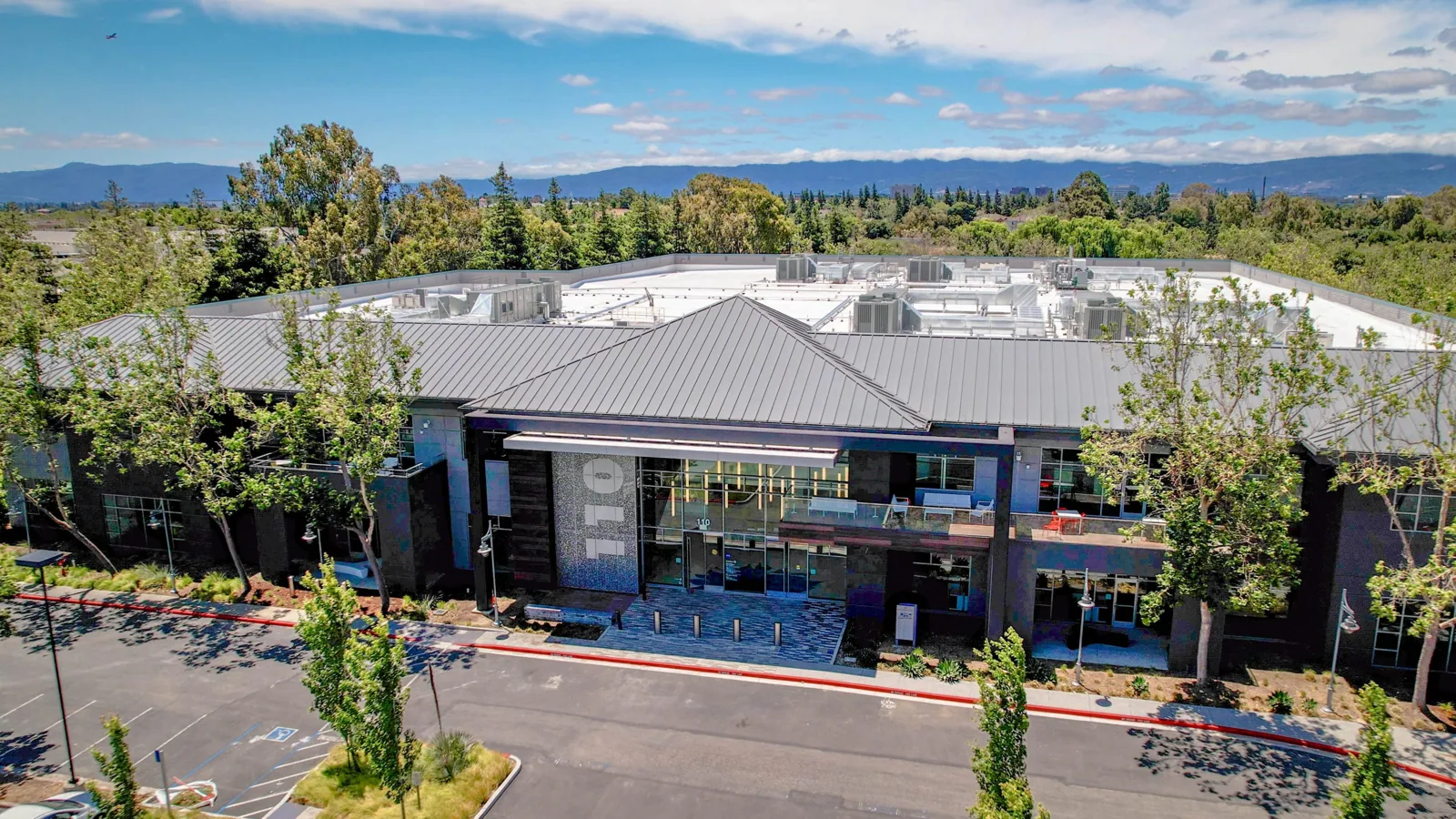
Roof Assessments
Santa Clara & the South Bay
Membrane, flashing, drainage and edge details checked and written up before any work is priced.
Request a Roof Assessment