- Home
- Commercial Roofing Services
- Drone Roof Inspection
Drone Roof Inspection in Santa Clara, CA
The regional storm sequence from late 2022 into early 2023 gives a manager a roof access question: can aerial images help prioritize a later hands-on examination? In Santa Clara, CA, the building, flight conditions, and proposed purpose determine the answer. Weather history supports planning. It does not establish that a roof stayed wet or that an aerial visit can safely replace access during current poor conditions.
Drone images can provide a useful view of roof layout and visible details. They cannot physically test a seam or describe every concealed layer. We define the question the flight is intended to answer and state the coverage possible under the actual conditions. The manager receives a record that connects images to next tasks. Ownership gets a plain bid sheet distinguishing the aerial visit from confirmation and repair. That makes the imagery useful without presenting a remote view as a complete construction diagnosis.
Drone Roof Inspection: What the Work Covers
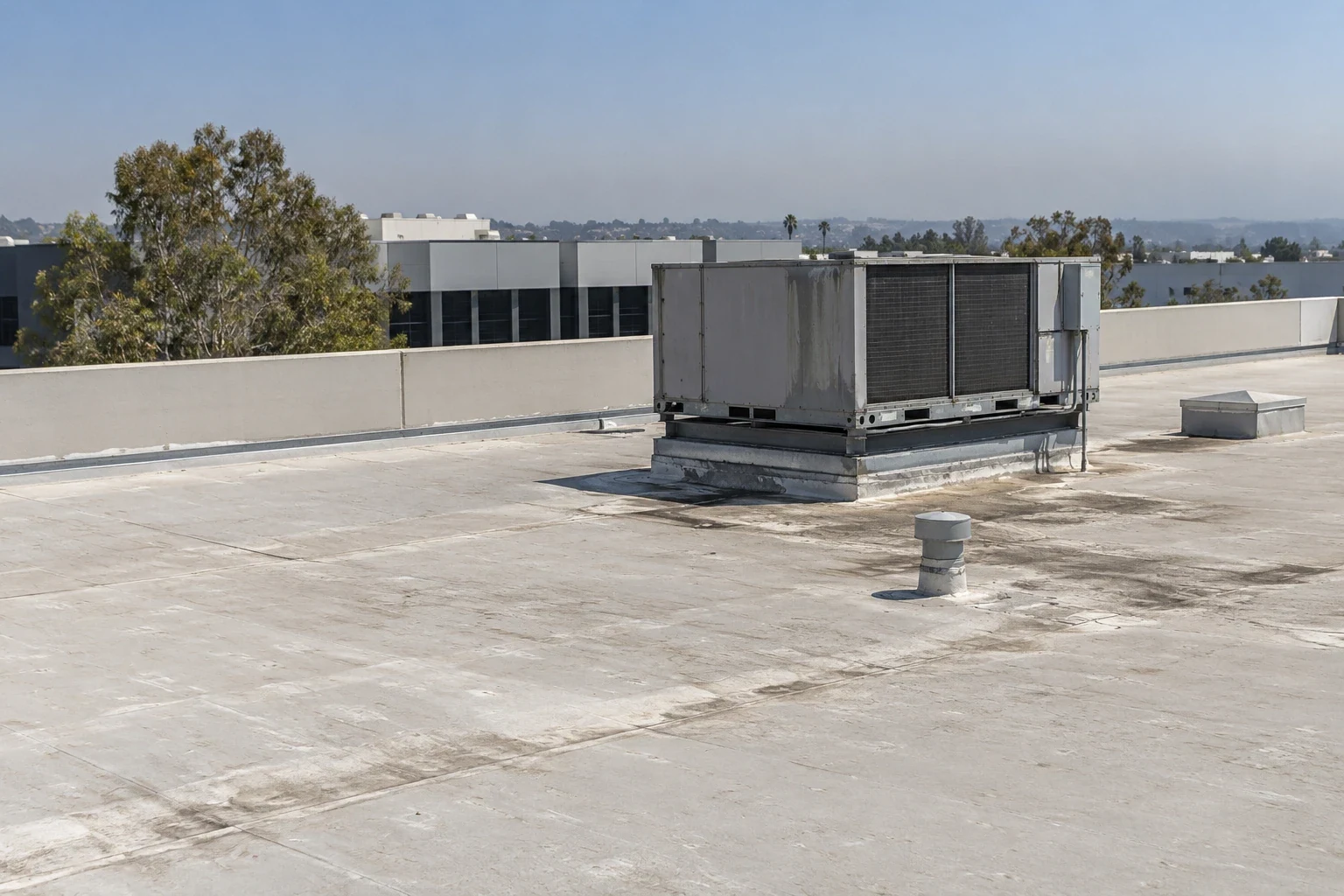
A broad roof layout view serves a different purpose from examining a suspected edge detail. We agree on the intended question before planning image capture. Equipment, walls, and geometry may obscure parts of the roof. Image angle, resolution, lighting, and surface condition affect what can be distinguished. The report should identify useful observations and coverage limits, not imply every small joint was examined from above.
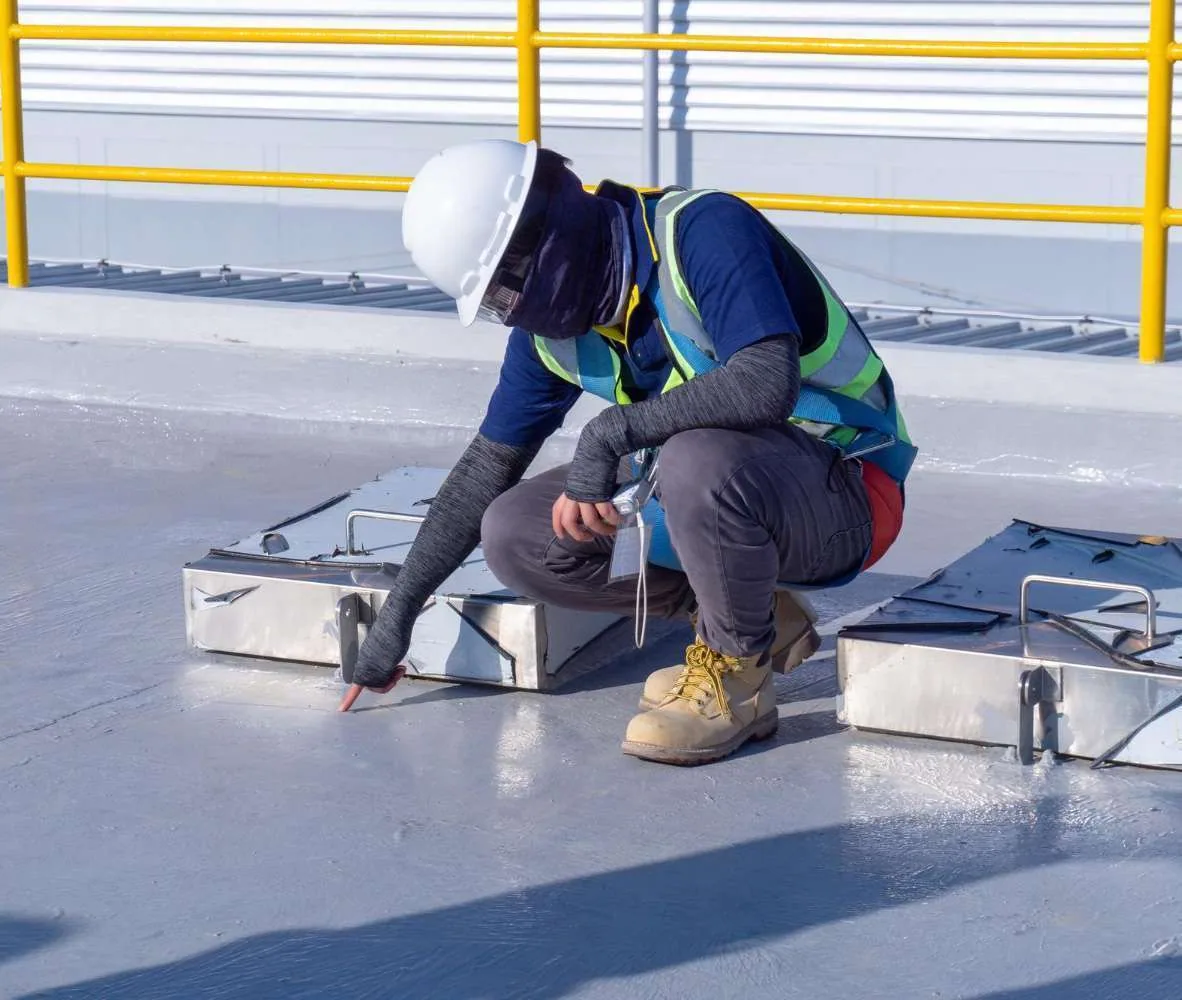
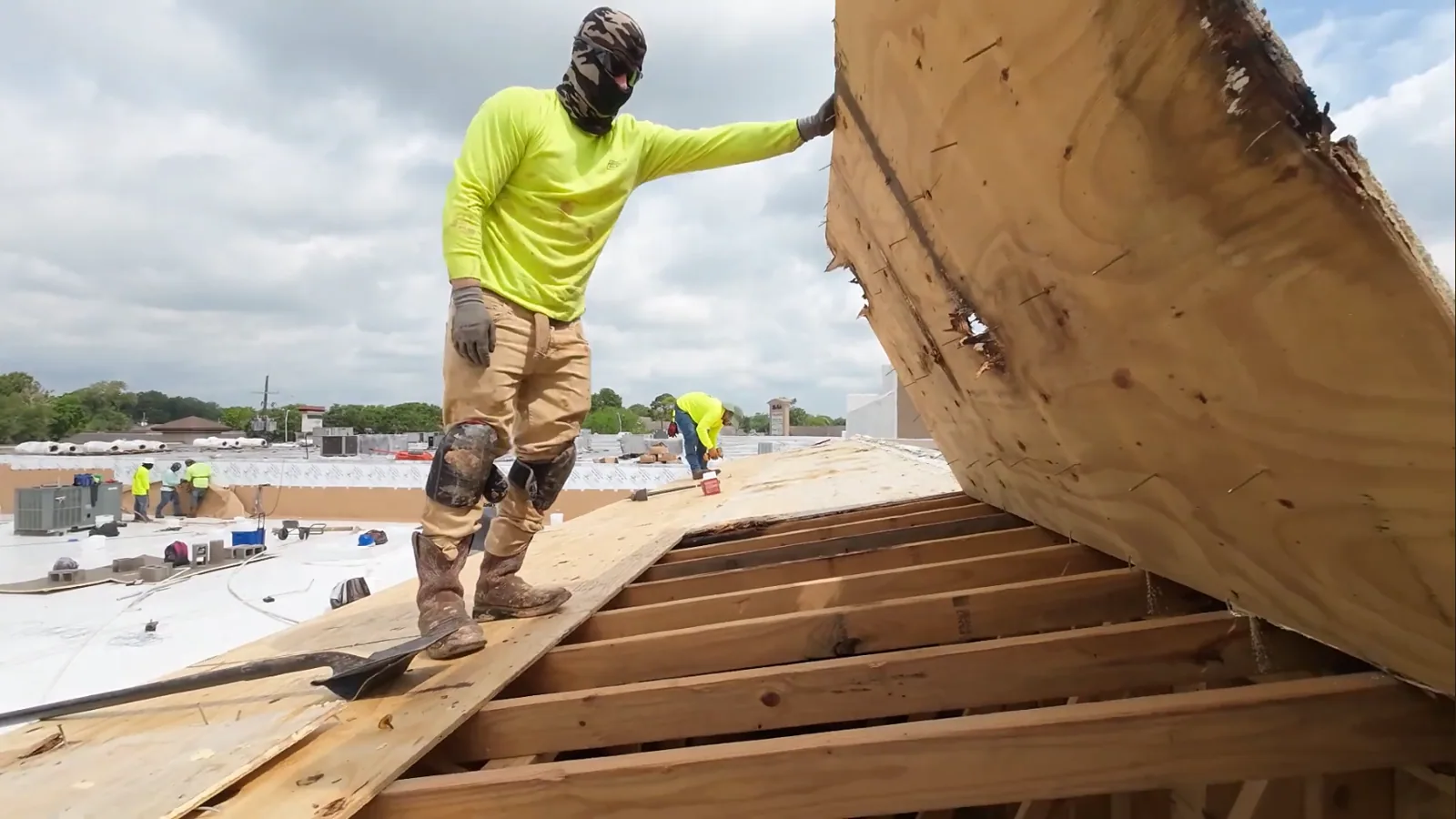
A hands-on roof detail examination remains a separate task where contact, probing, or closer assessment is needed. A thermal-assisted moisture investigation also requires its own suitable method and confirmation. Ordinary aerial photographs do not establish wet insulation. The manager can authorize the view useful to the current decision while keeping other examination needs visible. Ownership should not have to infer those limits from a collection of roof pictures with no explanation of their purpose.
Aerial work needs the required permissions and a safe operating arrangement for the proposed location. Weather, surrounding activity, site rules, and flight restrictions can affect whether the planned capture proceeds. A building owner's access approval is not the entire flight decision. We coordinate the applicable requirements for the task and identify any condition that prevents the intended visit.
We also need a safe launch and operating area approved for the property. People, vehicle movements, equipment, and neighboring activity affect that arrangement. A planned flight should not be described as certain simply because a date is reserved. The bid states assumptions and the alternative examination needed if coverage cannot be obtained. Ownership then understands what the aerial task buys and what still depends on suitable conditions. The manager can coordinate staff activity without treating the drone as a device free from site access and safety constraints.
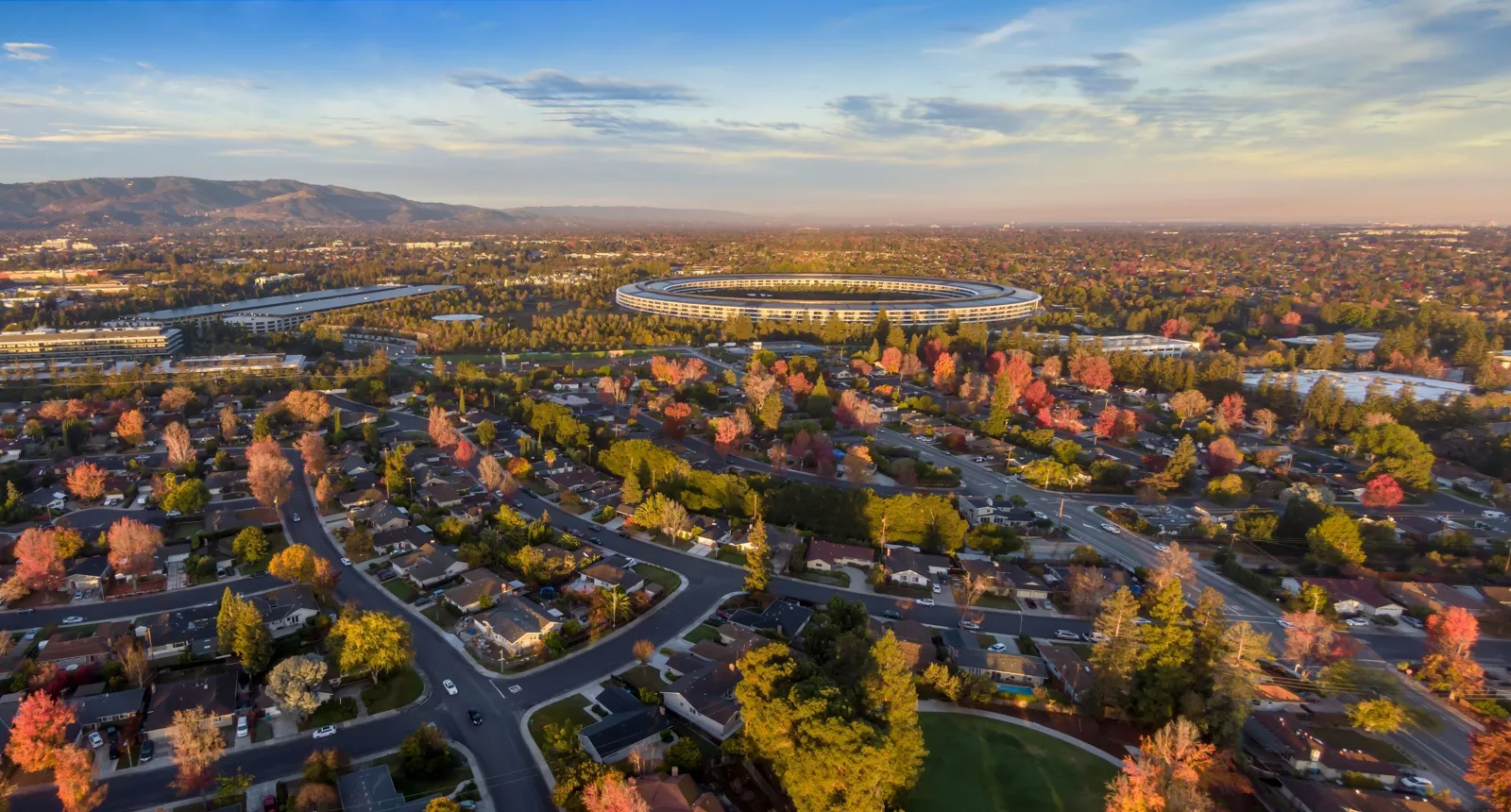
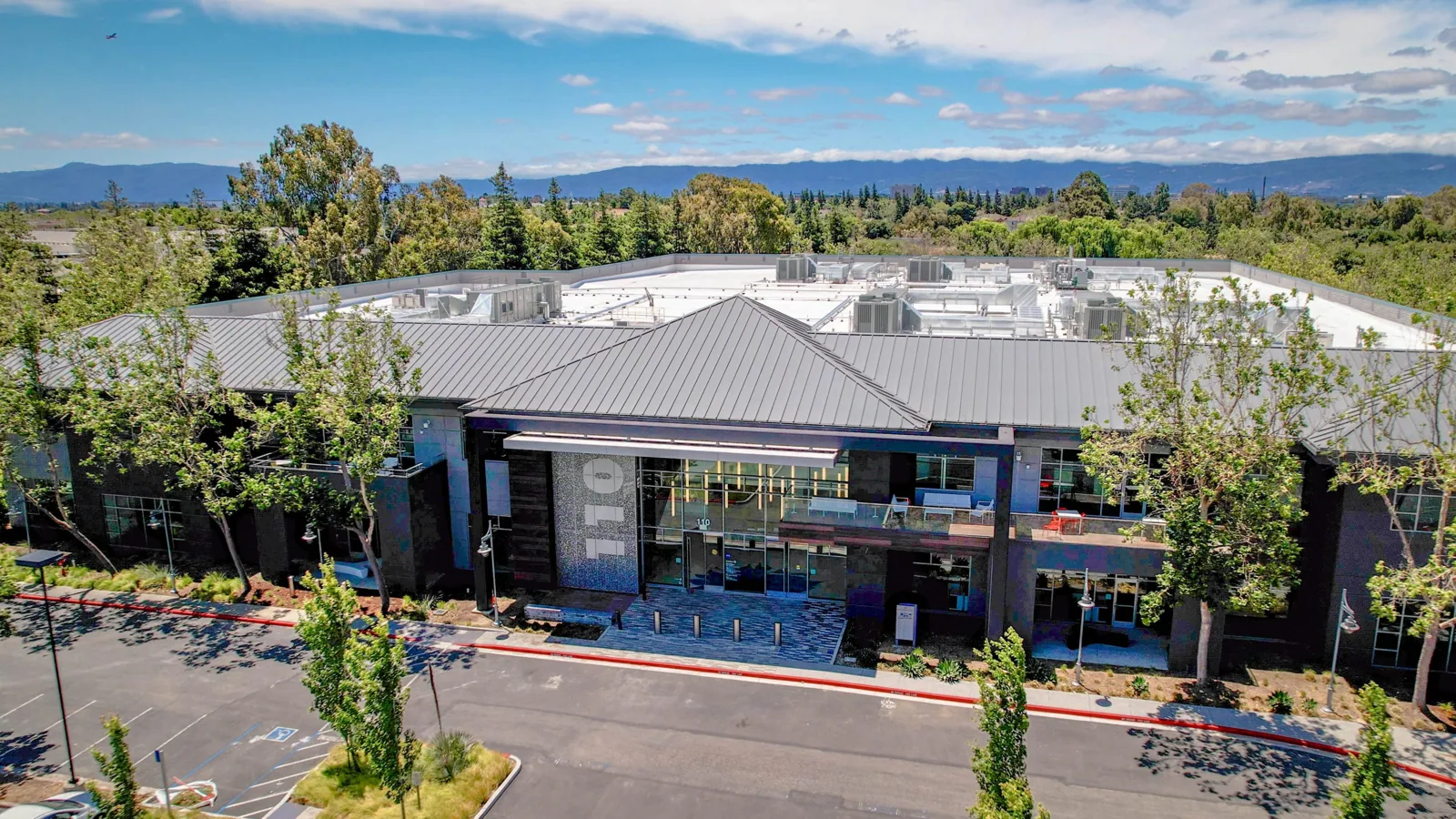
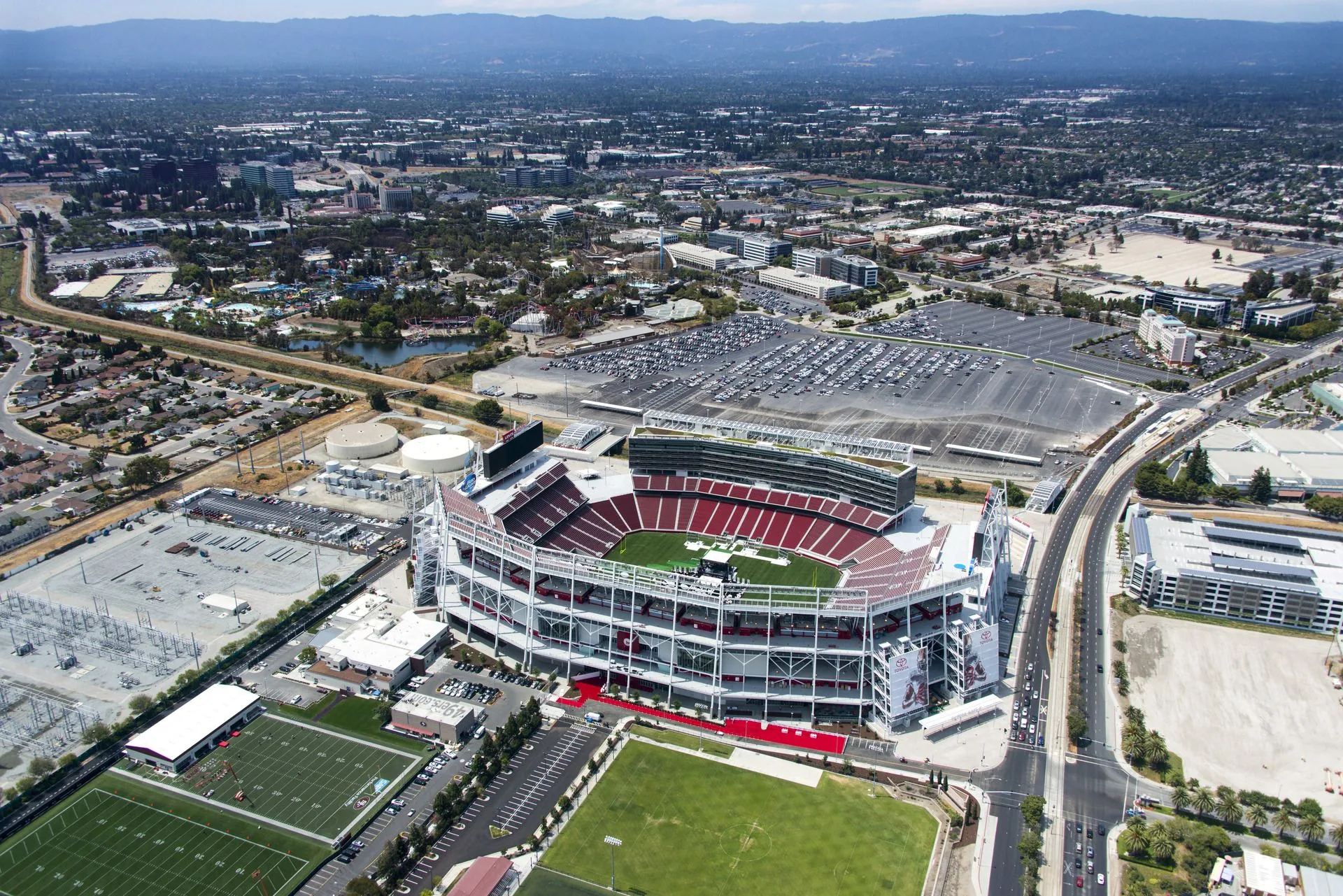
The Scott Boulevard setting includes office and R&D development. Near Lafayette Street and Tasman Drive, Tasman East has a planning framework. These Santa Clara identities help locate the property; they do not settle flight permissions, rooftop obstruction, or construction condition. We review the actual work address and the intended operating area before defining the visit.
Within the Scott Boulevard and Tasman Drive aerial service area, an occupied office property's roof needs its own operating instructions. A data center with controlled access can have additional restrictions established by its operator. We obtain the relevant site directions without assuming nearby buildings have the same rules. The report identifies the property and examined coverage so ownership can connect the images to the right construction rather than transferring observations from another address.
Planning and Completing the Work
An image may show a visible opening, debris, displacement, or a surface pattern needing closer examination. We describe what the view supports. A shadow or color variation is not automatically a defect. A visible detail can justify a targeted visit without settling the condition of adjacent sheet or insulation. We keep that distinction in the report.
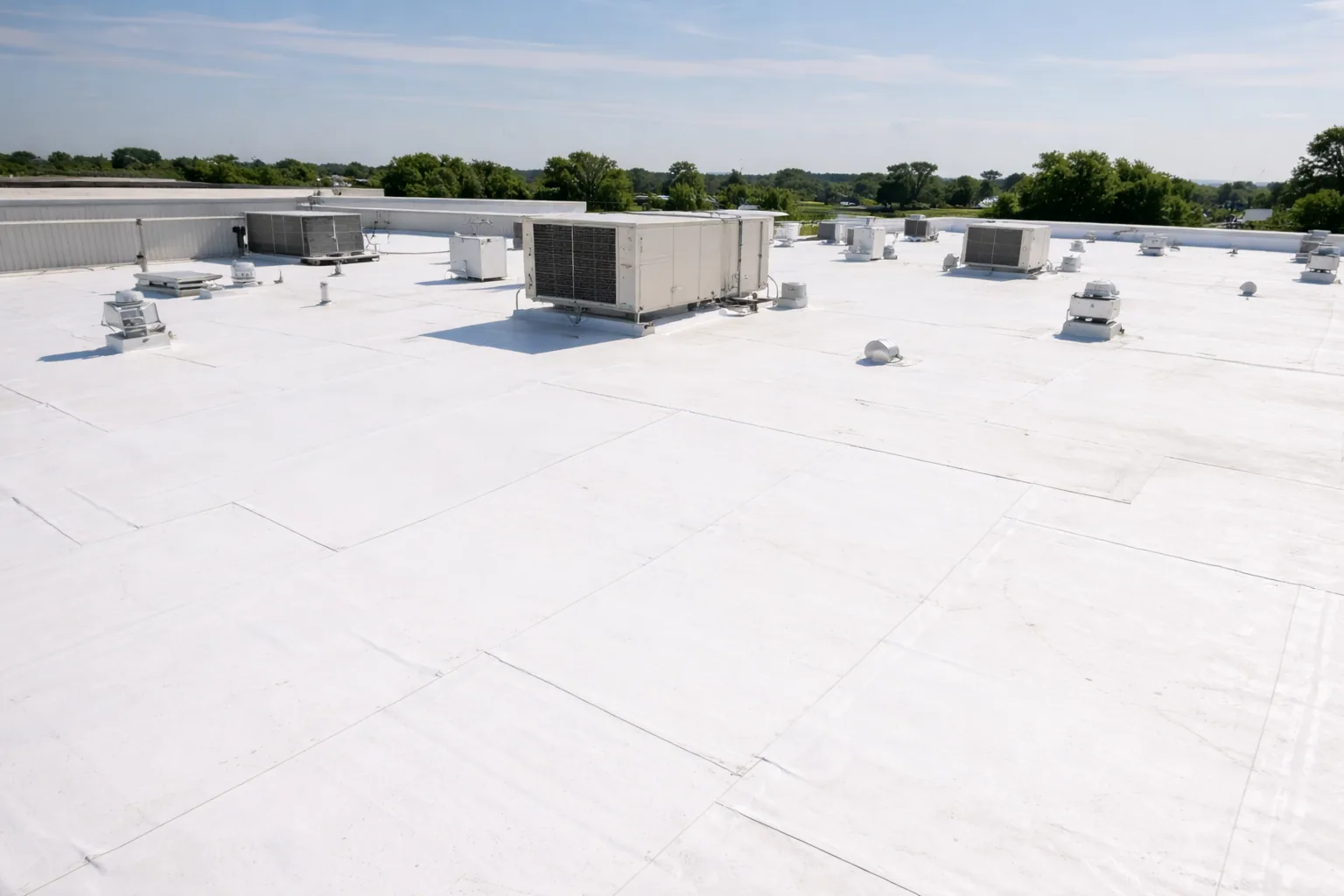
The manager receives location references and the specific question each useful image raises. Where the view is obscured or inadequate, we identify the missing coverage. The next task might be hands-on examination, appropriate testing, records review, or a confirmed local repair. Ownership should be able to distinguish these outcomes. An attractive roof overview can be valuable for locating equipment and outlets, but it should not become an unsupported statement that all seams, fasteners, or concealed construction passed inspection. The image record remains tied to the evidence available.
Before treating an image as evidence for a repair quantity, map its location to a roof plan or recognizable edge and note the coverage limits. Parapets, overhangs, rooftop units and glare can obscure a relevant detail. A new image angle may help, but it still cannot confirm adhesion beneath a membrane or the condition of unseen layers. Put any needed hands-on examination in the estimate as a separate step. That prevents ownership from paying for an aerial record while the actual construction question remains unresolved.
A proposed correction needs information about preparation, compatibility, supporting construction, and the repair boundary. Aerial imagery alone may not establish all of those items. We identify the examination necessary before the construction is finalized. A visible seam opening may require a closer assessment of the joint and surrounding material. Suspected concealed moisture needs a suitable confirmation approach rather than a visual inference.
Our repairs following confirmed roof findings separate known work from areas needing more investigation. Any exploratory opening receives appropriate protection and closure. The bid identifies access and operator prerequisites as well as the roof task. Ownership can compare the correction supported by the image and follow-up evidence, instead of purchasing a broad repair allowance derived only from a remote outline. The manager knows which decision is ready and which still depends on additional examination.
The completed image record identifies capture conditions relevant to interpretation, coverage, useful observations, and limitations. We connect each finding to a proposed next task. The owner should be able to locate the detail during a later visit and distinguish confirmed correction from an unresolved question. A future image can help compare visible change when coverage and conditions permit, but it does not erase earlier investigation limits.
The manager also receives the practical access instructions associated with any follow-up work. Permit and energy review for construction depend on the actual authority, accepted project basis, scope, and applicable exceptions. A drone visit does not settle those requirements. It supplies a defined observation tool. Ownership can use that tool within a supported inspection and repair decision, with remaining design, operator, and hands-on tasks identified instead of hidden behind a claim that the roof was fully examined from the air.
Season check: give ownership useful roof views
Book a pre-season roof review with the aerial question identified. We will prepare a plain bid sheet separating image capture, confirmation, and the repair task the findings support.
Frequently Asked Questions
Pictures can show a visible condition, but they cannot physically test the joint. We identify the closer examination needed before preparation and the permanent repair detail are selected.
Ordinary photographs do not establish concealed moisture. A suitable thermal method and physical confirmation may be appropriate. We distinguish those tasks from the aerial image record.
Permissions, weather, and operating conditions can limit the visit. The bid states the assumptions and any alternative examination needed, rather than promising complete coverage on the reserved date.
For drone roof inspection, define the work boundary. The accessible condition and safety limits govern intervention. We record temporary work separately from a confirmed permanent repair.

Roof Assessments
Santa Clara & the South Bay
Membrane, flashing, drainage and edge details checked and written up before any work is priced.
Request a Roof Assessment